- Details
- Category: Insights
The Home of 2035: How Will We Live in Ten Years?
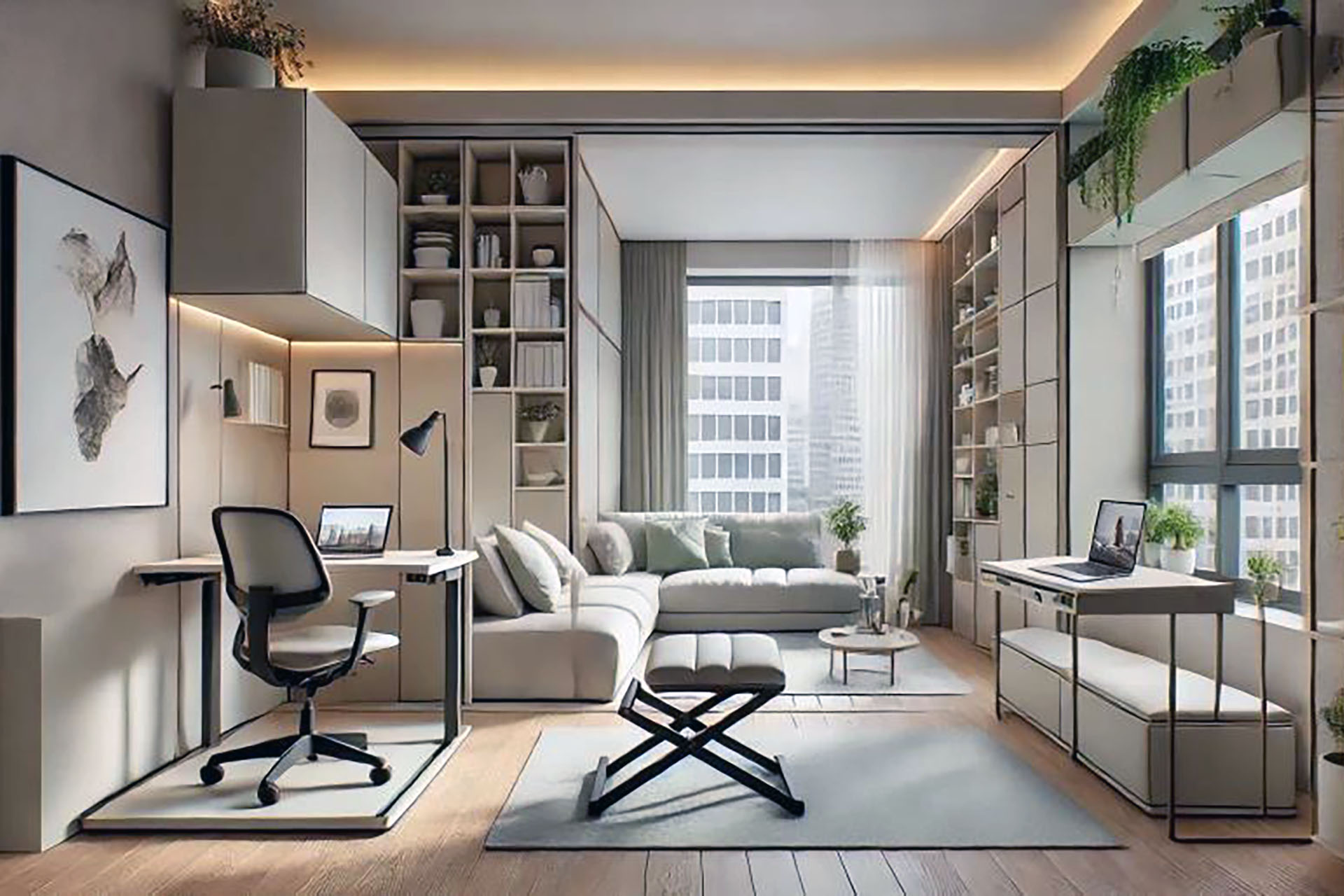
What will the homes of 2035 look like? Discover the trends that will shape the future of housing, from smart technology and sustainability to evolving lifestyles.
Throughout history, our homes have reflected the way we live, work and interact with the world around us. Looking back over the past decade, it is clear that our lifestyles have changed dramatically. Remote working has become part of everyday life, sustainability has moved to the forefront, technology has become seamlessly integrated into our routines, and expectations around comfort and quality of life have risen significantly.
Against this backdrop, an important question emerges: what will the homes we live in by 2035 look like?
While it is impossible to predict the future with certainty, several trends already provide a clear indication of what homebuyers are likely to value over the next decade.
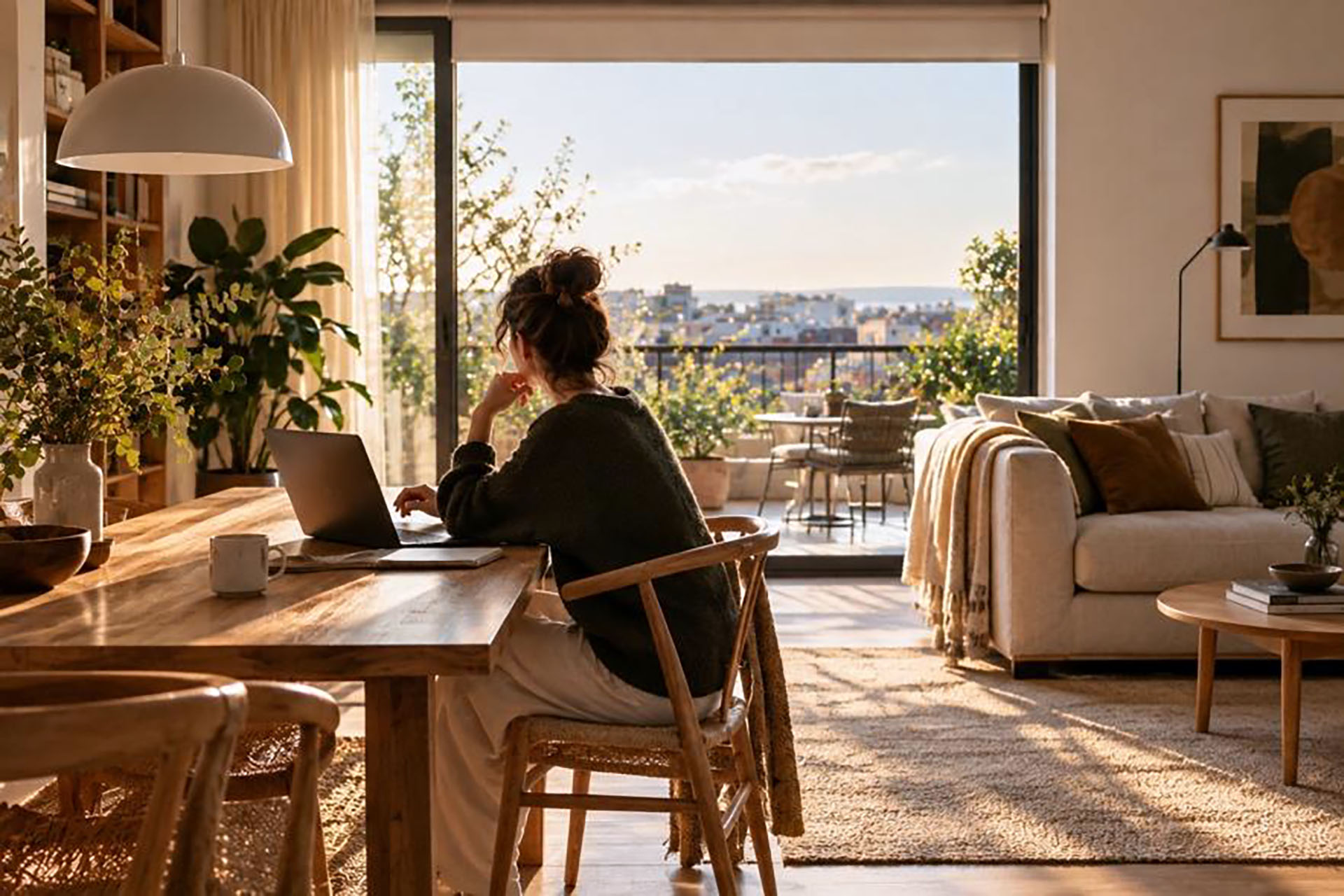
Homes will no longer be seen simply as places to sleep. They will increasingly serve multiple purposes, functioning as spaces for work, leisure, socialising and wellbeing. Flexibility will therefore become one of the most sought-after features, with adaptable layouts that can respond to different needs throughout the day and evolve alongside changing lifestyles and life stages.
Technology will continue to redefine the way we experience our homes. Intelligent energy management systems, automated climate control, advanced security solutions and connected devices will no longer be considered premium features but standard expectations. Artificial Intelligence will also play an increasingly important role, learning residents' habits to optimise comfort, security and energy efficiency automatically. True luxury may well lie in simplicity, with technology operating almost invisibly to make everyday life more comfortable and efficient.
Sustainability will no longer be regarded as an optional extra. Energy efficiency, durable materials, lower resource consumption and the integration of renewable energy solutions will become decisive factors in both property value and purchasing decisions. Rather than simply reducing energy use, homes will be designed to minimise their environmental impact throughout their entire lifecycle, from construction through to daily occupation.
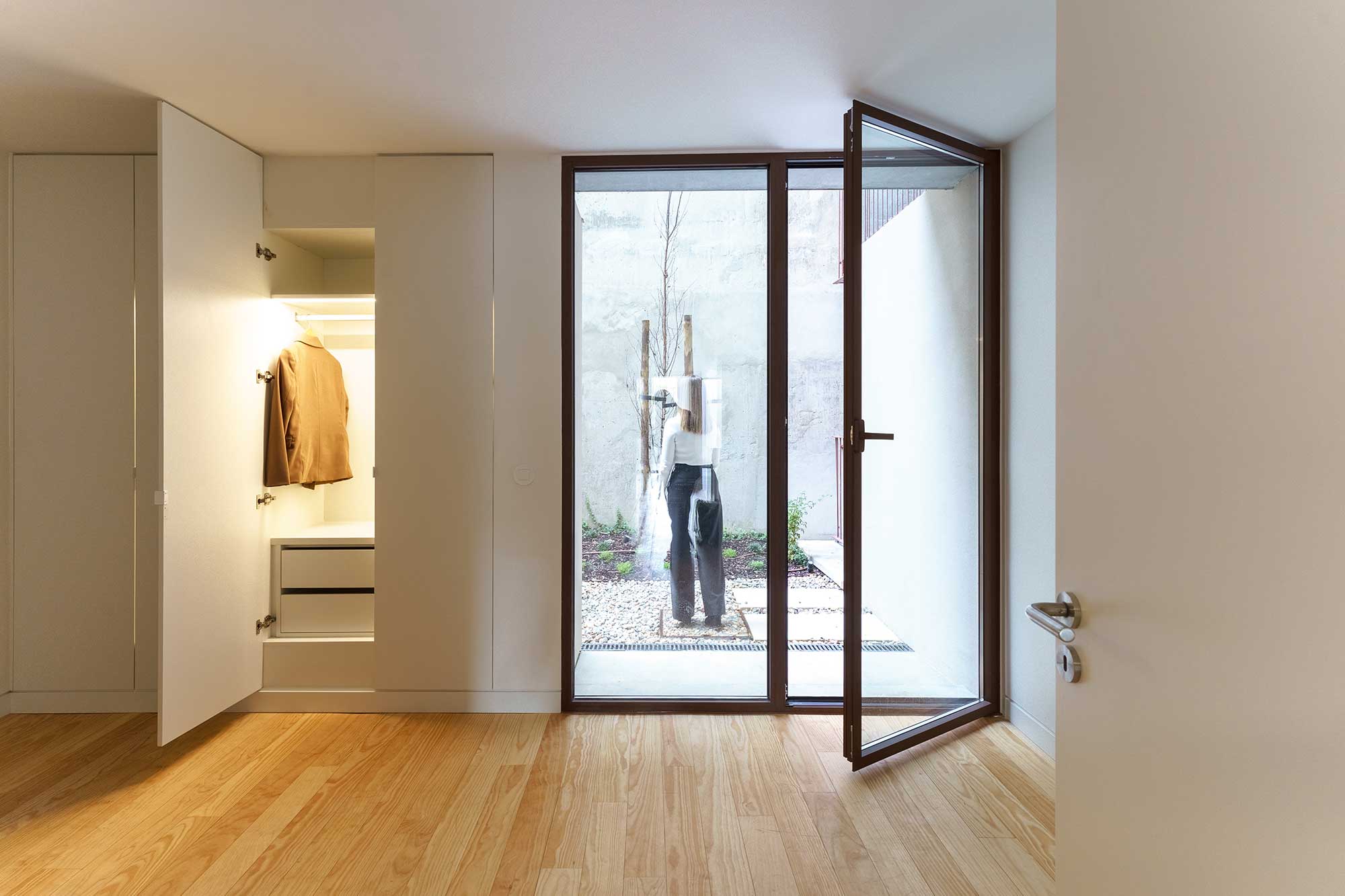
Alongside this, the concept of a healthy home will gain increasing importance. Indoor air quality, natural light, thermal and acoustic comfort, and the use of materials that promote wellbeing will become key considerations for buyers, reflecting a growing awareness of the connection between living environments and both physical and mental health.
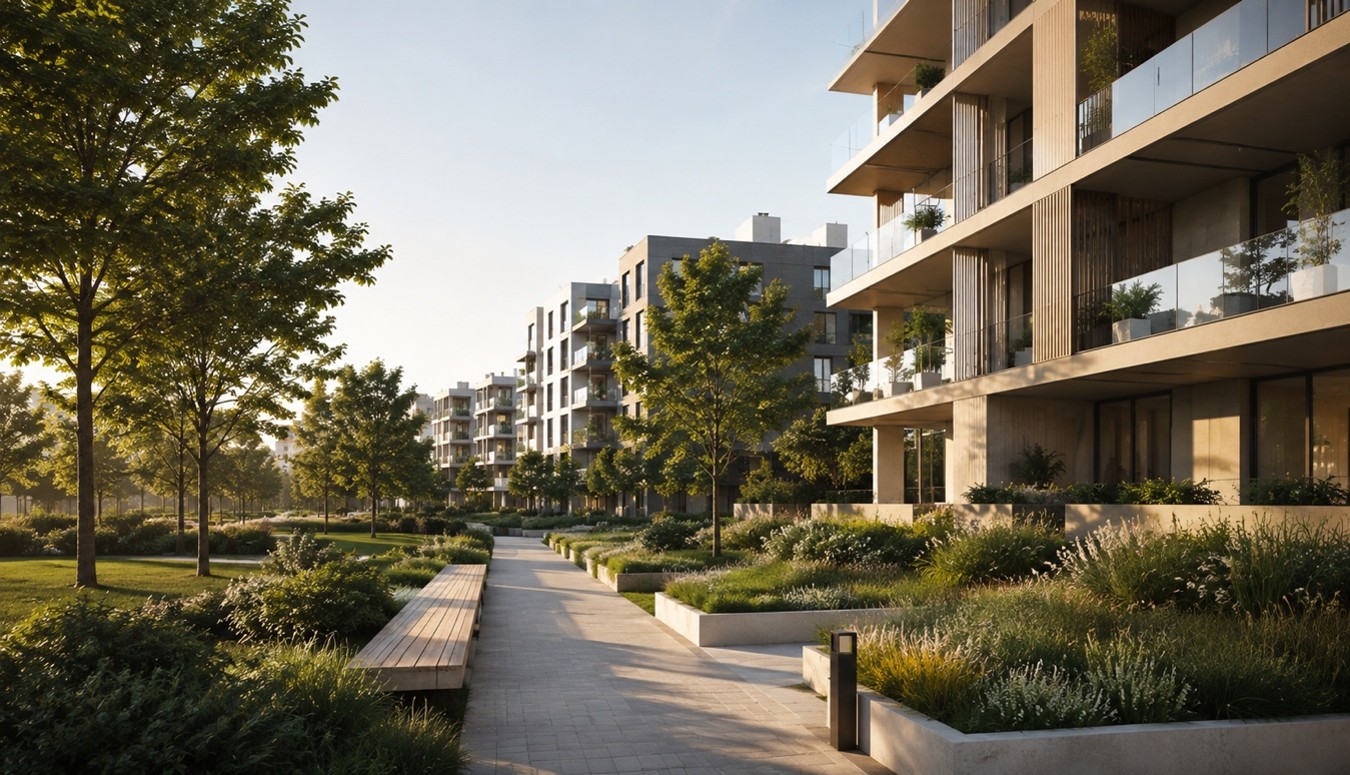
Demand for outdoor spaces is also expected to remain strong. Balconies, terraces, gardens and shared green areas have taken on new significance in recent years and are likely to remain essential elements of urban quality of life.
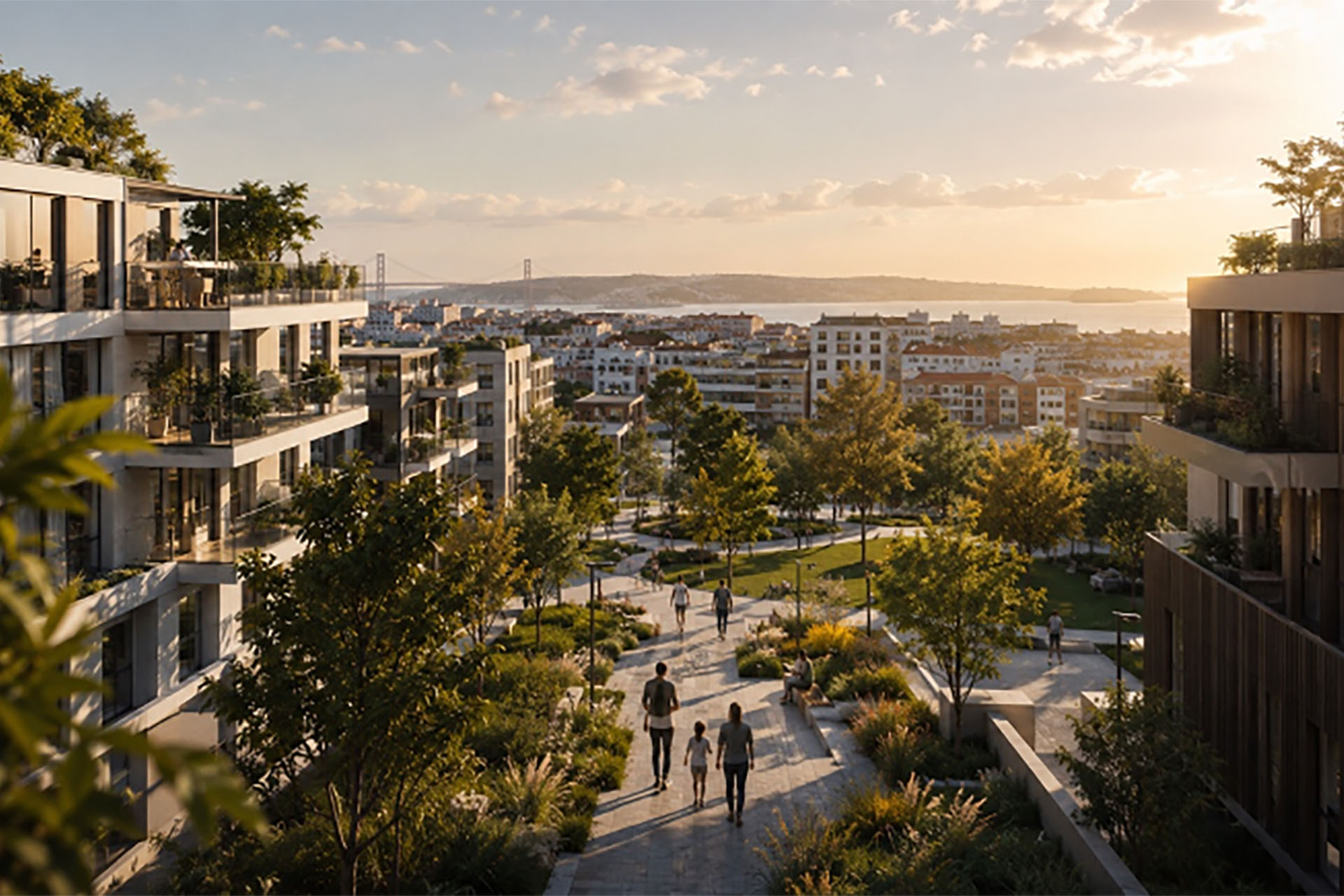
Cities themselves will continue to evolve. Easy access to public transport, shops, services, schools and green spaces will become even more valuable, reinforcing the importance of developments that encourage more balanced and sustainable urban living, where shorter journeys leave more time for what truly matters.
Demographic shifts will also shape the homes of the future. The growth of single-person households, an ageing population and increasingly diverse family structures will require more versatile housing solutions capable of accommodating a wide range of lifestyles and needs. Accessibility and adaptability will no longer be features designed for specific groups but integral elements of residential design.
Rather than trying to predict exactly what homes will look like in 2035, perhaps the more important question is how we want to live in the years ahead. After all, the best homes are not simply those that reflect the trends of their time. They are the ones that anticipate people's changing needs, embrace innovation intelligently and create spaces that evolve alongside those who live in them.