- Details
- Category: Insights
Residential Architecture Trends in 2026

The residential sector continues to evolve in line with the new demands of buyers, who are increasingly informed, discerning, and attentive to how their living space impacts their daily lives. In 2026, architecture goes beyond aesthetics — it is functional, sustainable, and deeply focused on well-being.
In line with this transformation, Addsolid’s developments reflect a contemporary approach, where design, location, and construction quality come together to meet emerging market trends.
Well-being-centered architecture
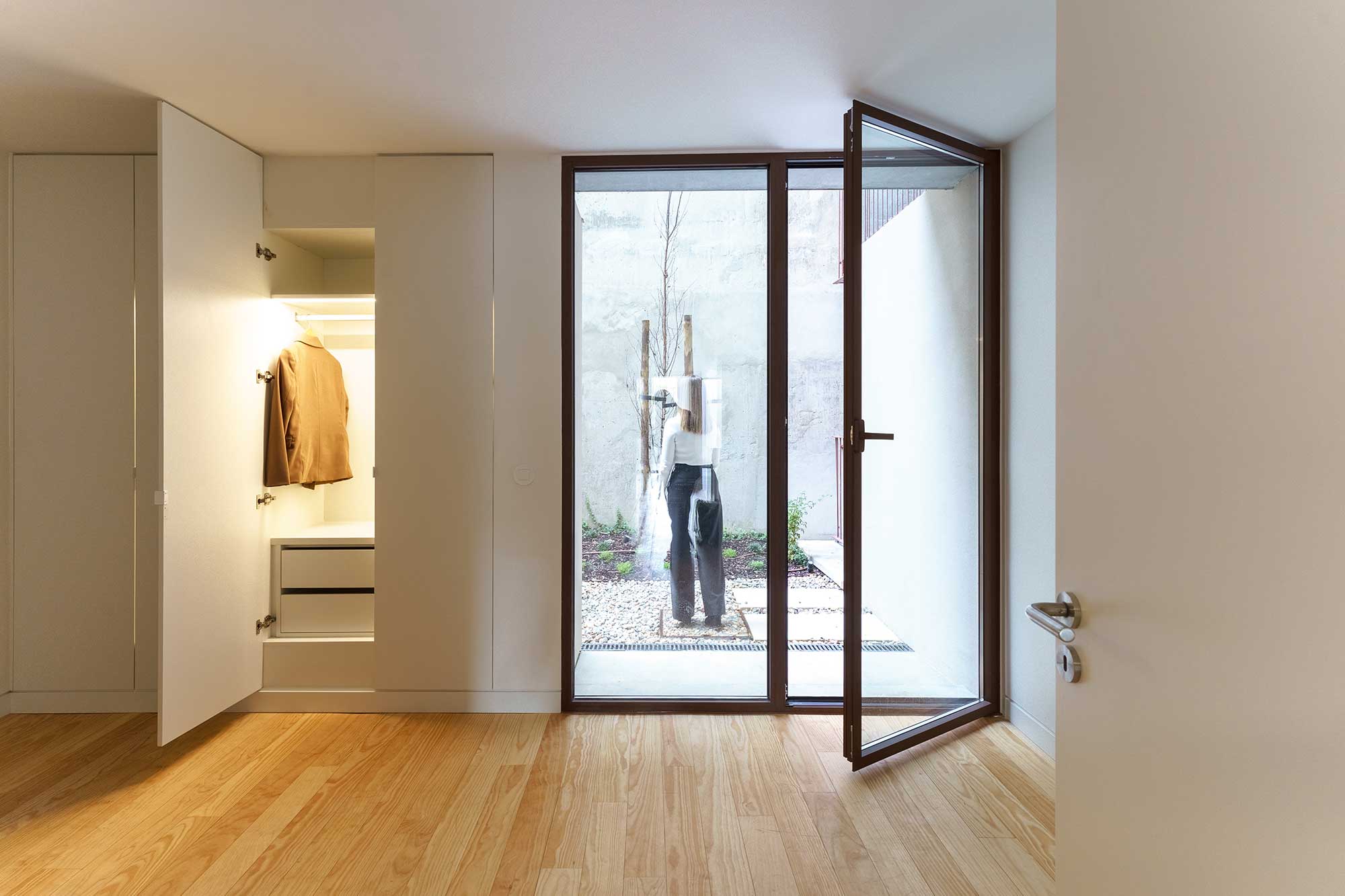
The home is no longer just a place to live — it has become central to quality of life. Abundant natural light, cross ventilation, outdoor spaces, and a seamless connection between interior and exterior are now essential features.
Projects such as Penha Living highlight this focus, incorporating balconies, terraces, and thoughtfully designed areas that provide comfort and tranquility within an urban setting. The value of private outdoor spaces has become a decisive factor in homebuying decisions.
Sustainability as a priority
Sustainability has shifted from a differentiating factor to a baseline expectation. In 2026, buyers prioritize solutions that promote energy efficiency, reduced consumption, and the use of more responsible materials.
In Addsolid’s developments, this translates into the selection of durable materials, efficient construction solutions, and the integration of technologies that enable smarter resource management — contributing to a lower environmental footprint and reduced long-term operating costs.
Multifunctional and adaptable spaces
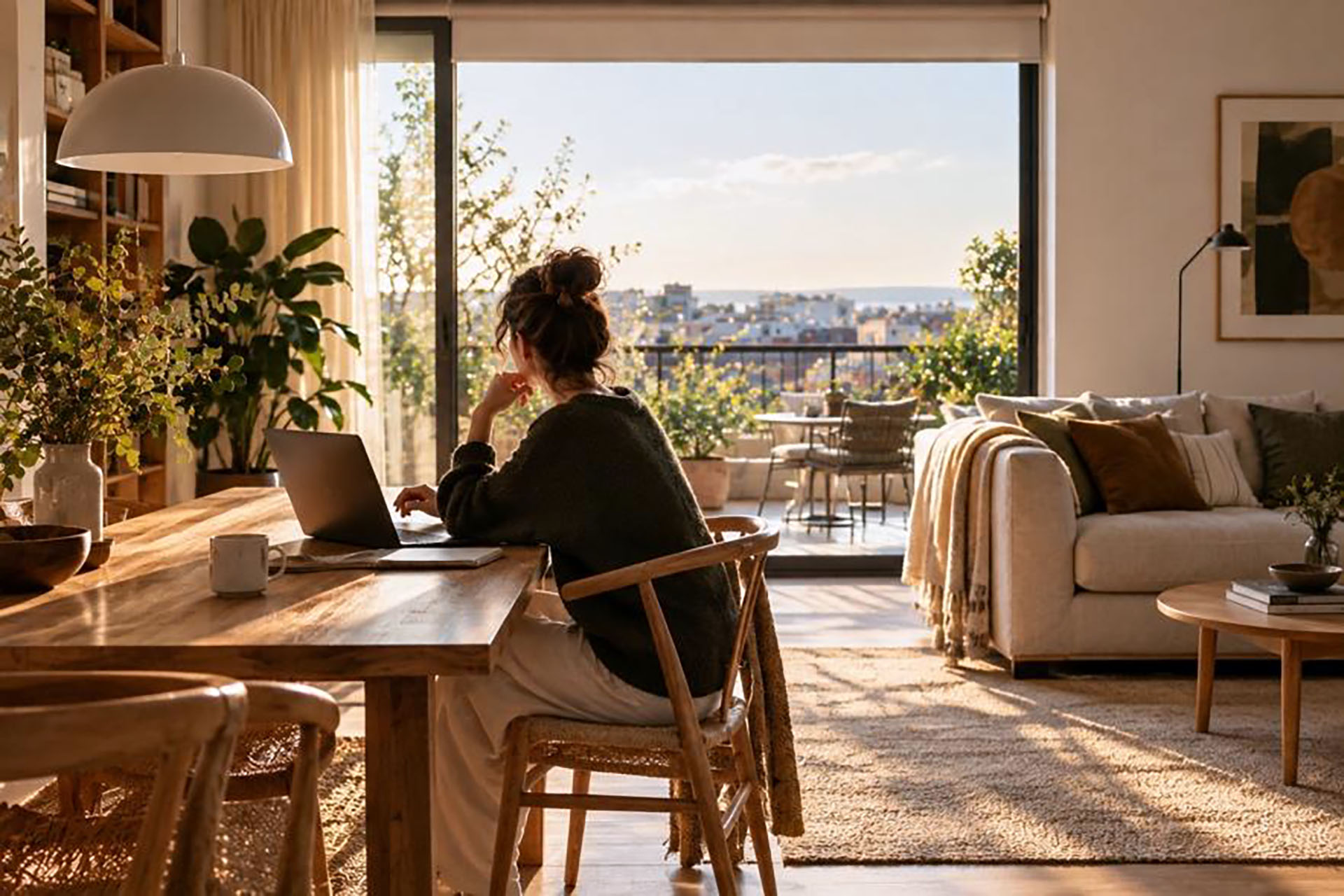
The way we live and work has changed, and architecture is evolving accordingly. Rigid room layouts are being replaced by flexible spaces that adapt to different moments of the day — remote work, leisure, socializing, or rest.
In Addsolid’s developments, this trend is reflected in intelligent layouts that prioritize functionality and fluidity between spaces, allowing residents to adapt their homes to their evolving needs over time.
Contemporary and timeless design
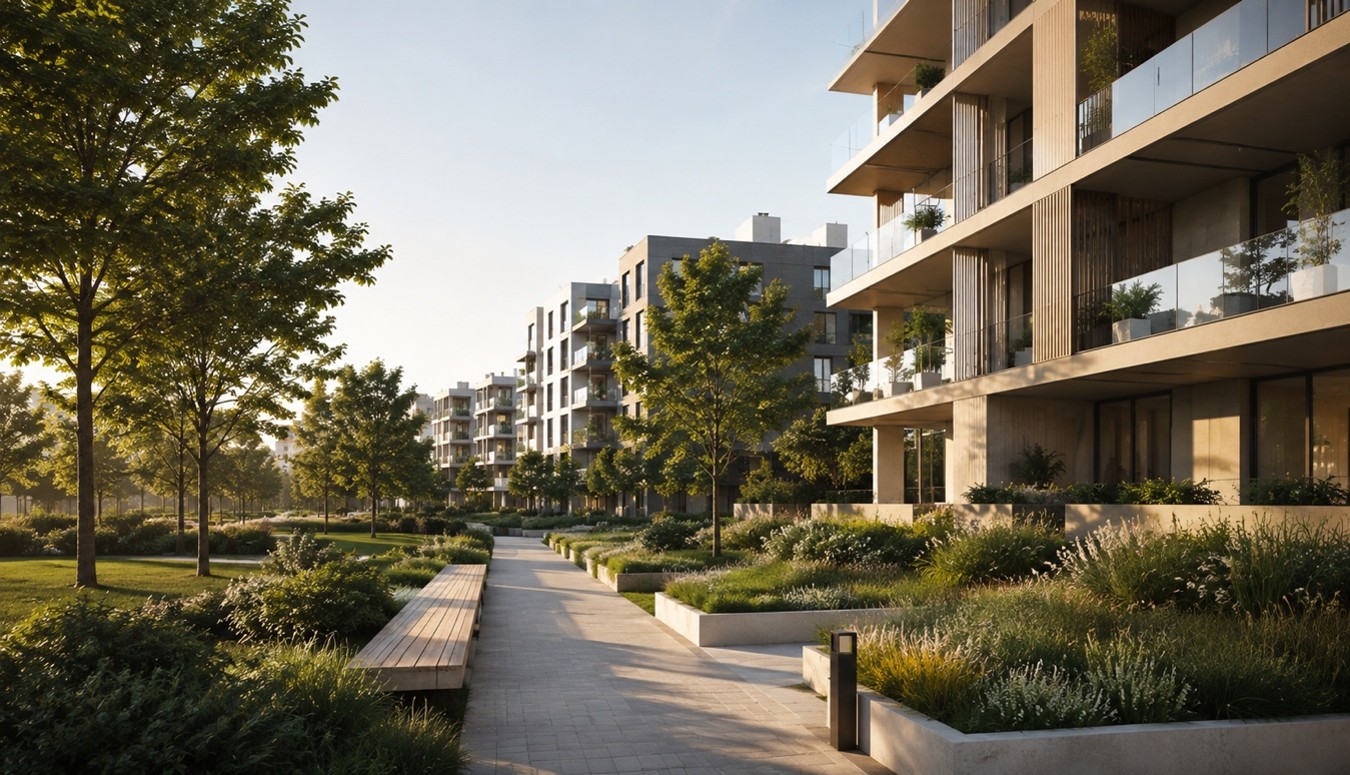
Clean lines, natural materials, and a minimalist aesthetic continue to define residential architecture in 2026. The goal is to create spaces that stand the test of time, both visually and functionally.
Jardins de Santiago, now fully sold, is an example of this approach: a project that combines contemporary elegance with urban integration, designed to offer a balanced and sophisticated living experience.
Location and urban integration
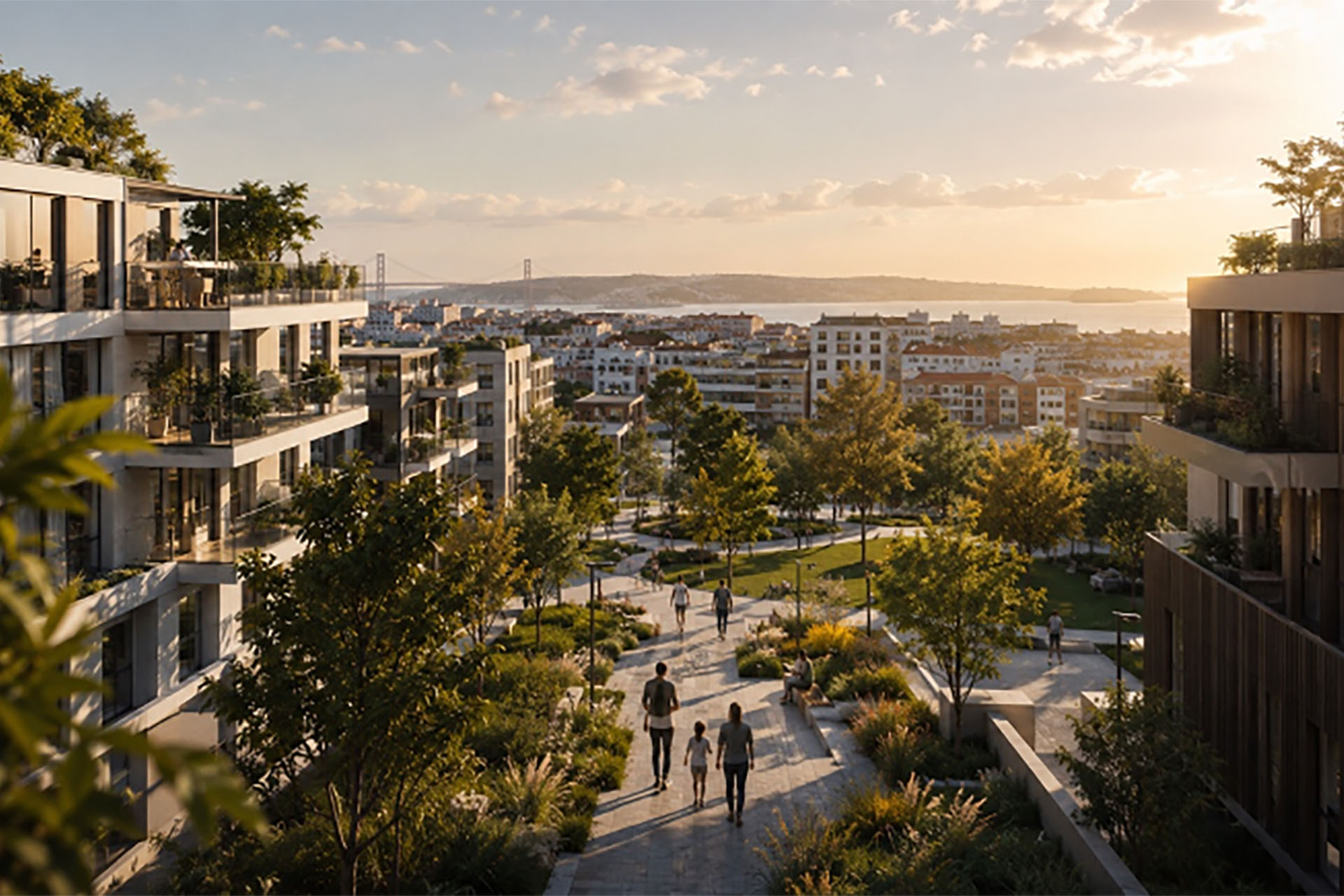
More than ever, location remains one of the main drivers of value. Proximity to services, transport, green areas, and local commerce is a key factor in purchasing decisions.
Addsolid’s projects stand out for their carefully selected locations in Lisbon, where limited new supply and strong demand reinforce the appreciation potential of these assets.
Demand for exclusivity and identity
Buyers are increasingly looking for developments with a strong identity — projects that stand out through architecture, scale, and concept. Developments with a limited number of units and attention to detail are particularly valued.
Addsolid’s approach, with carefully designed and positioned projects, responds to this demand for exclusivity, offering residential solutions that combine design, comfort, and secure investment potential.
Residential architecture trends in 2026 clearly reflect a shift in buyer priorities: more than just homes, they are seeking spaces that enhance their quality of life, are sustainable, and align with new ways of living.
Addsolid’s projects, such as Penha Living and the completed Jardins de Santiago, are aligned with these trends, combining architectural vision, execution quality, and a deep understanding of Lisbon’s residential market.
In a context of strong demand and limited supply, investing in projects that incorporate these trends is not only a lifestyle choice, but also a strategic investment decision.