- Details
- Category: Blog
The right to stay: what if the housing challenge is also about being able to remain?

Staying in the neighbourhood where you grew up has become a challenge. What does the "right to stay" mean, the idea now entering the European housing debate?
For a long time, we saw mobility as an achievement. Moving to another city to study, to another country to work, to another neighbourhood to find a bigger home. But there is a question that has been gaining ground in recent weeks, and it changes the way we look at housing: what about those who simply want to stay?
The idea has a name. It is called the "right to stay", and this month it moved to the centre of the European debate. On 12 October, at the opening of the European Week of Regions and Cities in Brussels, European Commission Executive Vice-President Raffaele Fitto summed it up in one sentence: people should be free to leave, but never forced to leave. The Commission is preparing a strategy under this name, designed so that no one has to leave the place where they live because of a lack of opportunities or essential services. On the same day, the European Committee of the Regions presented its annual report on the state of regions and cities in the European Union.
In Lisbon, the discussion took on a different form with the housing protest camp in Rossio square. The contexts are different, but they touch on the same point: for many people, the problem is no longer just finding a home. It is being able to stay.
Three stories of people who want to stay
The "right to stay" was conceived mainly with regions that are losing population in mind — villages where the bank opens two days a week and the health centre is hours away. But the idea also makes sense within cities, and that is where it takes on very concrete faces.
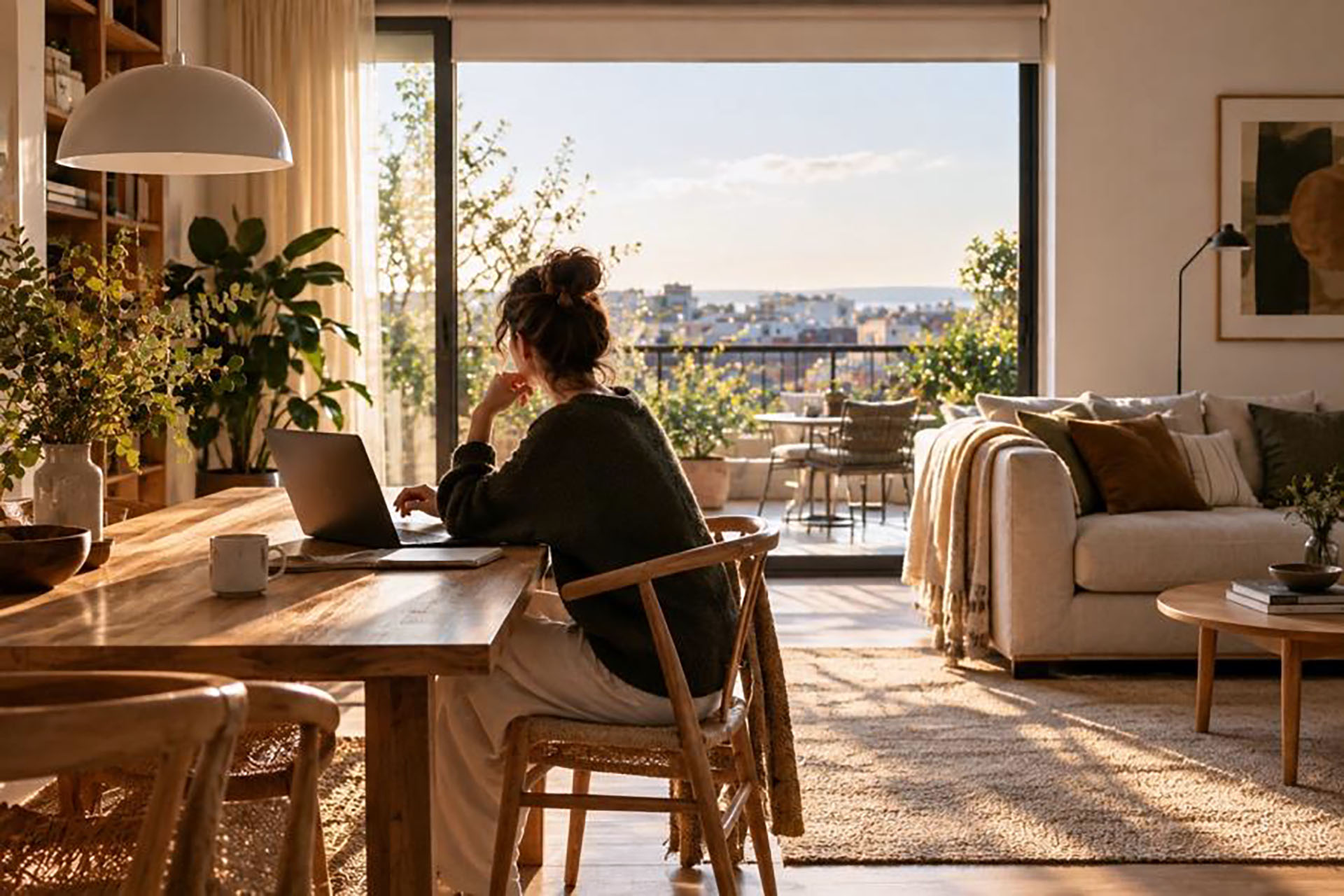
Think of a 27-year-old who grew up in a Lisbon neighbourhood. They have a job, friends, routines, perhaps their parents nearby. They want to leave home, but not necessarily leave the neighbourhood. Very often, the two become incompatible. It is no coincidence that, in 2024, young people in Portugal left the parental home at an average age of 28.9, according to Eurostat — almost three years later than the EU average of 26.2.
Now think of a family that has grown. A second child has arrived, the home has become too small, and the most obvious solution is to move further out, where the same budget buys more square metres. The school, the grandparents, the family doctor and the whole support network are left behind.
And finally, think of those who are growing older. Portugal is one of the most aged countries in Europe, and many people want to go on living in the neighbourhood where they have always lived. The problem is that the home that served them for 40 years may no longer work: stairs without a lift, too many rooms, difficult upkeep. Staying in the neighbourhood may mean moving home — and there is not always an alternative nearby.
These three situations have something in common: the wish to change homes without changing lives.
Staying is not standing still
The "right to stay" may sound like an idea that runs against mobility. It is not. No one is arguing that people should stop moving. The point is that moving should be a choice, not the only way out.
When people are able to stay, neighbourhoods benefit. They keep their local shops, schools with pupils, neighbours who know each other, associations that are alive. When people leave out of necessity, connections are lost that take years to rebuild — and daily journeys grow longer for those who end up living far from their network.
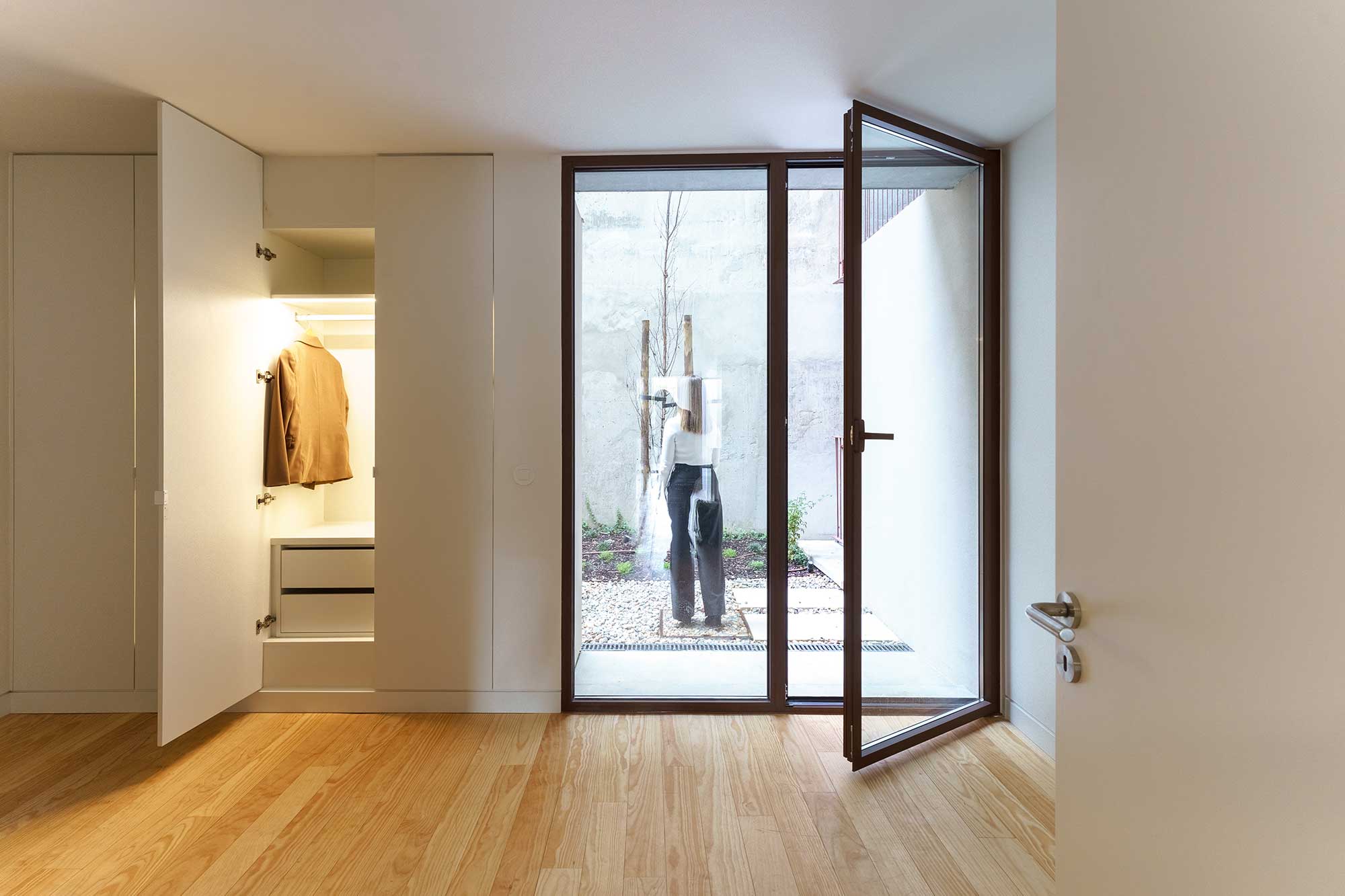
For those who plan and build cities, this has a practical meaning. A neighbourhood where it is possible to stay needs homes that differ from one another: smaller homes for those leaving the parental home or living alone, larger homes for growing families, accessible and easy-to-maintain homes for those who are getting older. It also needs new housing in established areas, not only on the outskirts, and the refurbishment of buildings that no longer meet the needs of the people who live in them.
A question for the years ahead
The European debate is still at an early stage. The Commission's strategy is being prepared and has no adoption date yet. And Portugal has its own particularities that cannot be solved with imported models. But the question the "right to stay" raises is already useful today — for policymakers, developers, architects and anyone looking for a home.
Perhaps the best way to measure the health of a neighbourhood is precisely this: how many of the people who want to stay are able to stay. The answer says a great deal about the homes that exist, but also about the ones that are still to be built.