- Details
- Category: Blog
Mobility and housing: why is access an essential criterion?

Mobility and housing: why is access an essential criterion when choosing a home?
When choosing a home, it is common to prioritise factors such as floor space, sun exposure, the presence of a balcony or garden, or even market value. However, there is one factor that is becoming increasingly important in purchasing and rental decisions: mobility. The quality of access, connections to major roads and proximity to public transport have become decisive factors in the quality of housing and property values.
We live in an age where time and convenience are scarce commodities. Having a comfortable home but with long, inefficient or poorly served transport links is often an obstacle to quality of life — and, ultimately, to the choice of property.
Housing and access to the city: an inseparable relationship
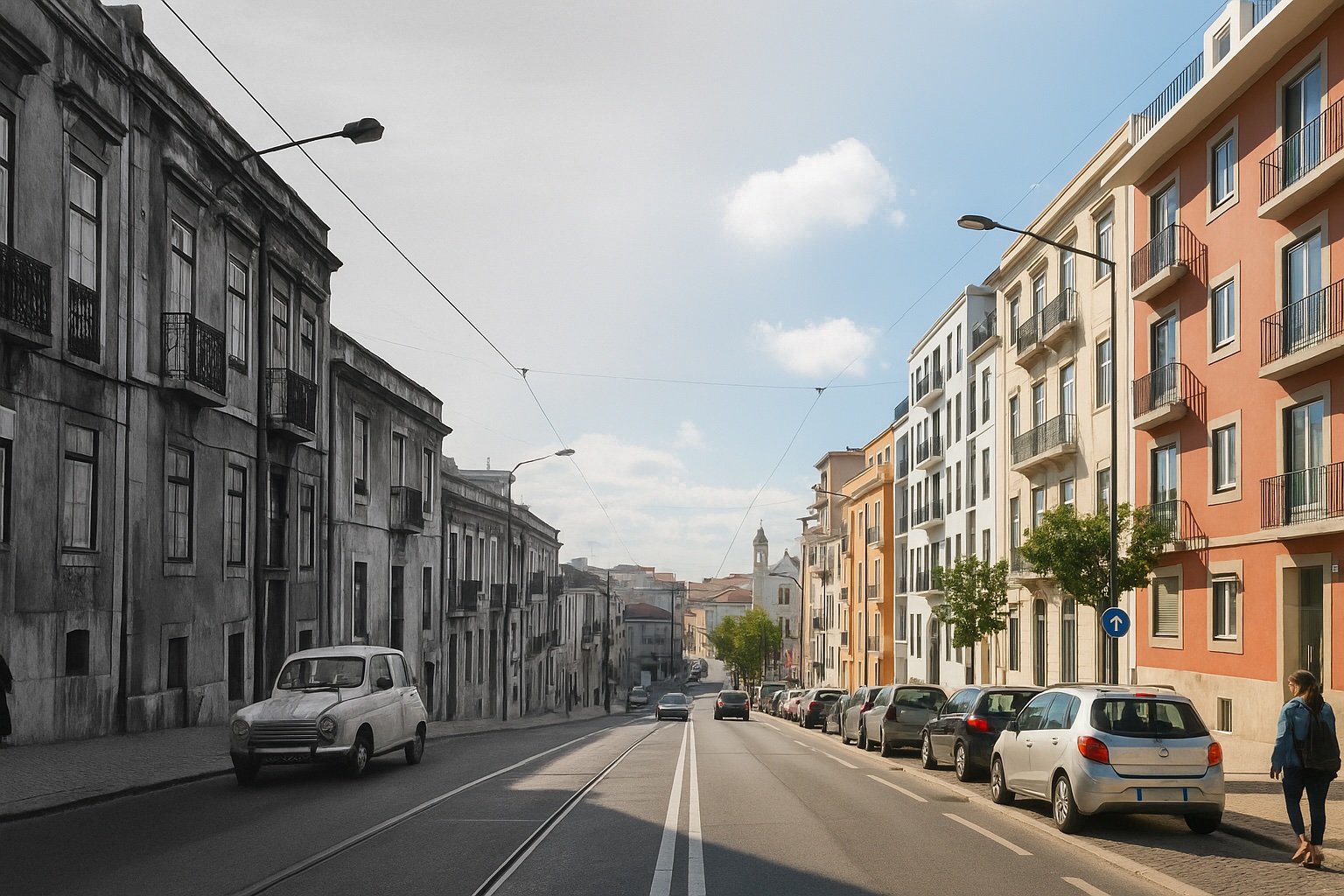
The transformation of cities in recent decades has brought the concepts of housing and mobility closer together. It is no longer enough to live in a good neighbourhood — you need to be able to access work, schools, services and culture easily. And this is where access makes all the difference.
Whether by car, rail or on foot, a home that is well served by transport infrastructure is a home with greater value, utility and future appeal. This is true both for those buying to live in and for those investing to rent or resell. Mobility is, in this sense, a silent multiplier of property value.
Mobility as a factor in property value
Neighbourhoods and urban areas with better accessibility — especially those that combine public transport, cycle paths and good road links — are also those that tend to appreciate more in the medium and long term. Urban projects located near train stations, bus interchanges or major transport routes have shown above-average resilience, even in fluctuating market conditions.
This phenomenon is visible in several areas of Lisbon and the Metropolitan Area. Neighbourhoods such as Penha de França, for example, are benefiting directly from improvements to the road network and urban regeneration plans, as is the case with Vale de Santo António. This link between urban development and accessibility makes these areas more appealing to those looking for housing that offers a balance between centrality and tranquillity.
The home as a starting point — not a place of isolation
More than ever, housing should be thought of as part of a wider urban ecosystem. It is not an end in itself, but a starting point for an active, connected and efficient life. A house can be beautiful, well built and energy efficient — but if it is not connected to the city and services, it loses some of its value.
That is why today's real estate projects incorporate concerns about accessibility, soft mobility and proximity to shopping, schools and cultural areas right from the outset. Modern housing should be comfortable inside and well connected outside.
Access is not a detail — it is an essential criterion
When evaluating a property, it is worth looking at the map. Where is the nearest transport? How long does it take to get to work? And to the children's school? Are there local shops nearby? Are there alternatives to the car?
These questions, which were often overlooked in the past, are now essential. Because good housing is not just measured in square metres — it is also measured in minutes saved, in ease of travel and in the freedom of choice it offers.
Are you looking for a home with a good location and access? Discover the projects on sale and find the ideal balance between mobility and quality of life.