- Details
- Category: Insights
What does creating value in a real estate project mean beyond price per square metre?
The value of a real estate project goes far beyond price per square metre. Location, architecture, quality, sustainability and experience are the factors that make the difference.
In a more demanding market, creating value means thinking about the project as a whole: from the choice of location and the way the building relates to the city, to the architecture, materials, efficiency, functionality of the spaces and the ability to respond to the needs of those who will live in them.
Location still matters, but so does context
"Location, location, location" remains one of the most repeated phrases in real estate. And for good reason. But a good location can no longer be assessed by address alone.
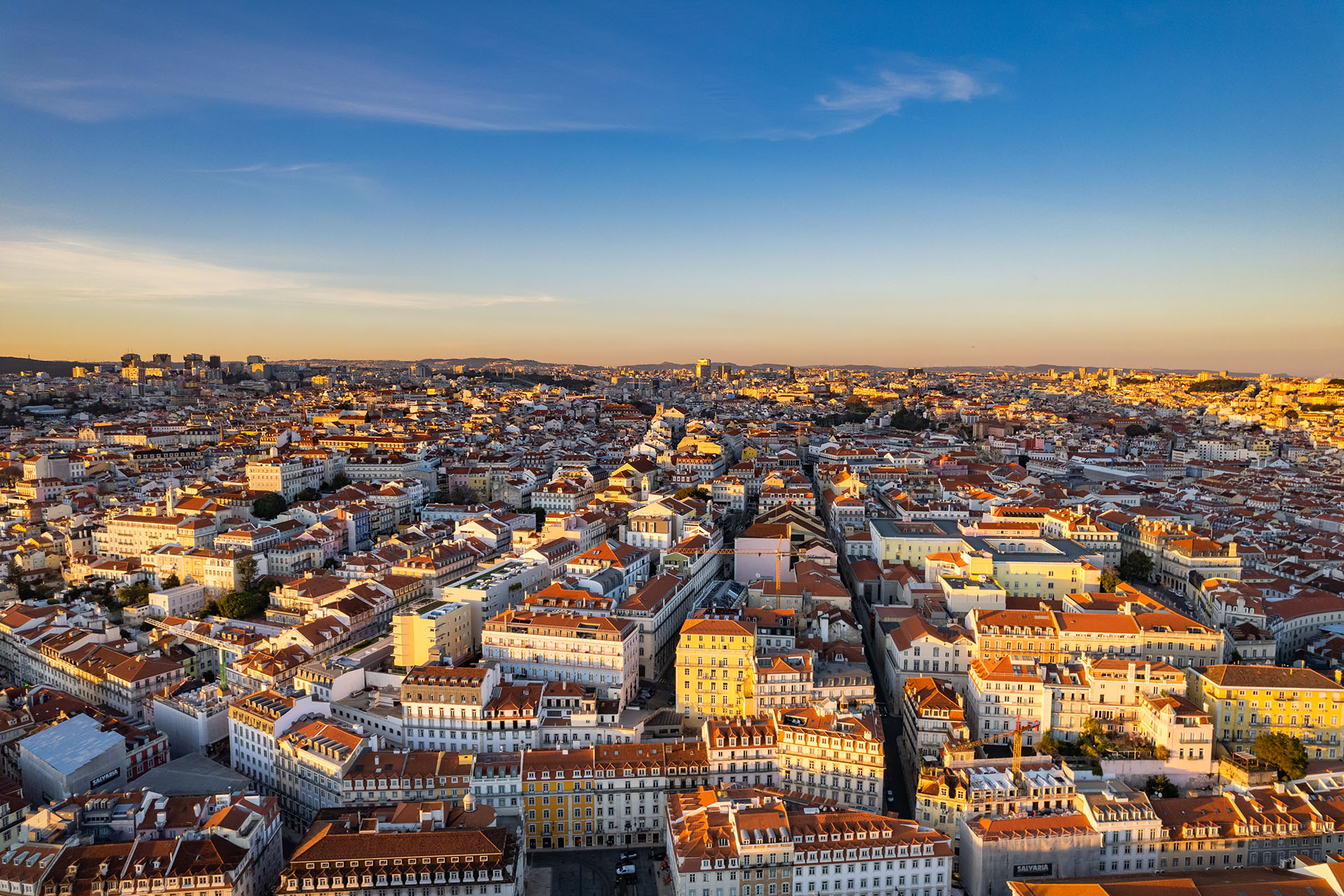
Proximity to transport, shops, schools, services, green spaces and leisure areas directly influences the daily experience of living in a given place. How easily someone can become part of a neighbourhood's life and move around the city also contributes to a property's appeal.
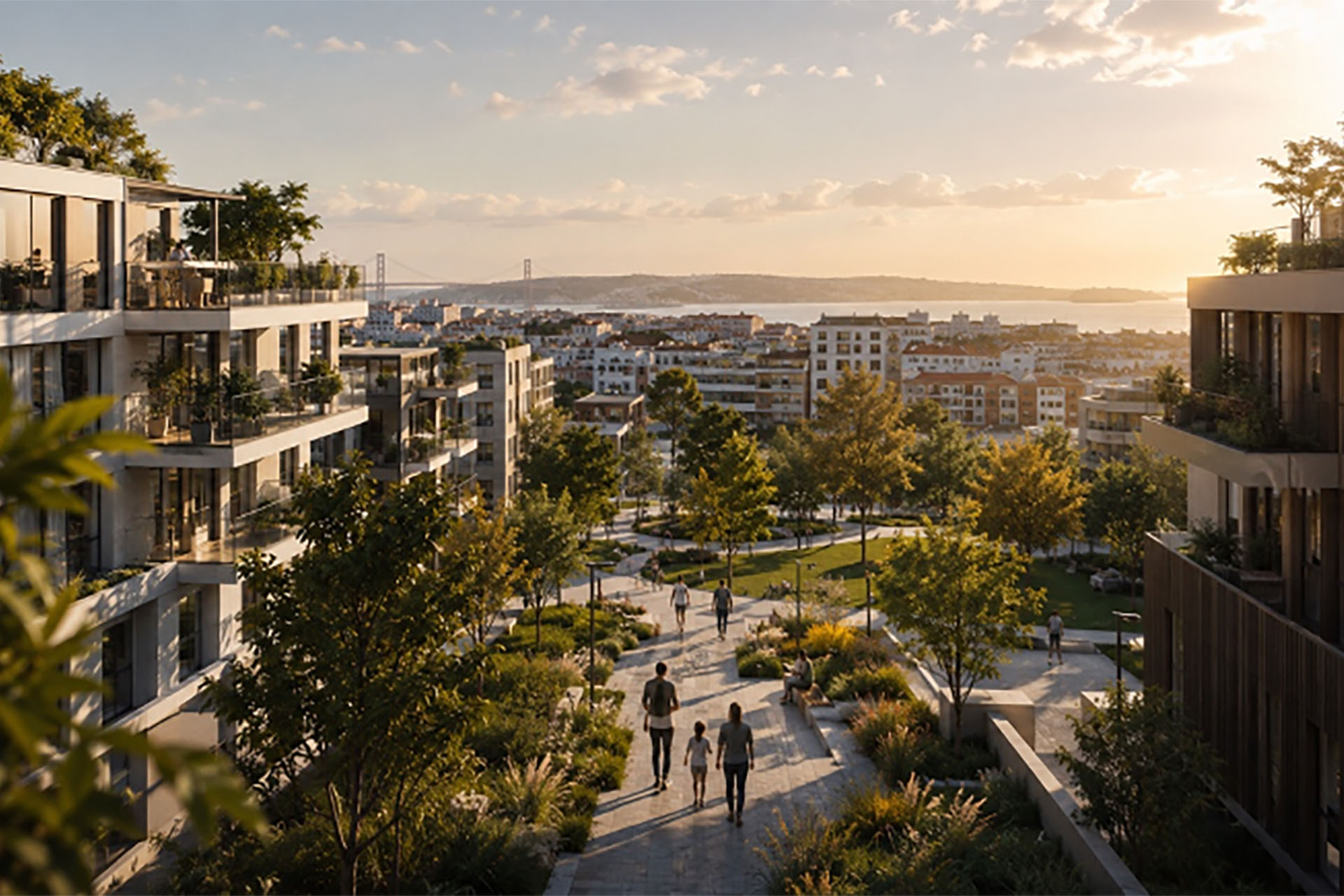
There is also a less immediate dimension: the growth potential of the area itself. Projects located in regenerating areas can play an active role in transforming a territory, helping to restore buildings, attract new residents, revitalise local commerce and create new centralities. Creating value, therefore, begins before construction. It begins with understanding the place and what a new project can add to it.
Architecture that responds to how we live
The area of a home tells us how many square metres it has. It does not necessarily tell us how those square metres are used.
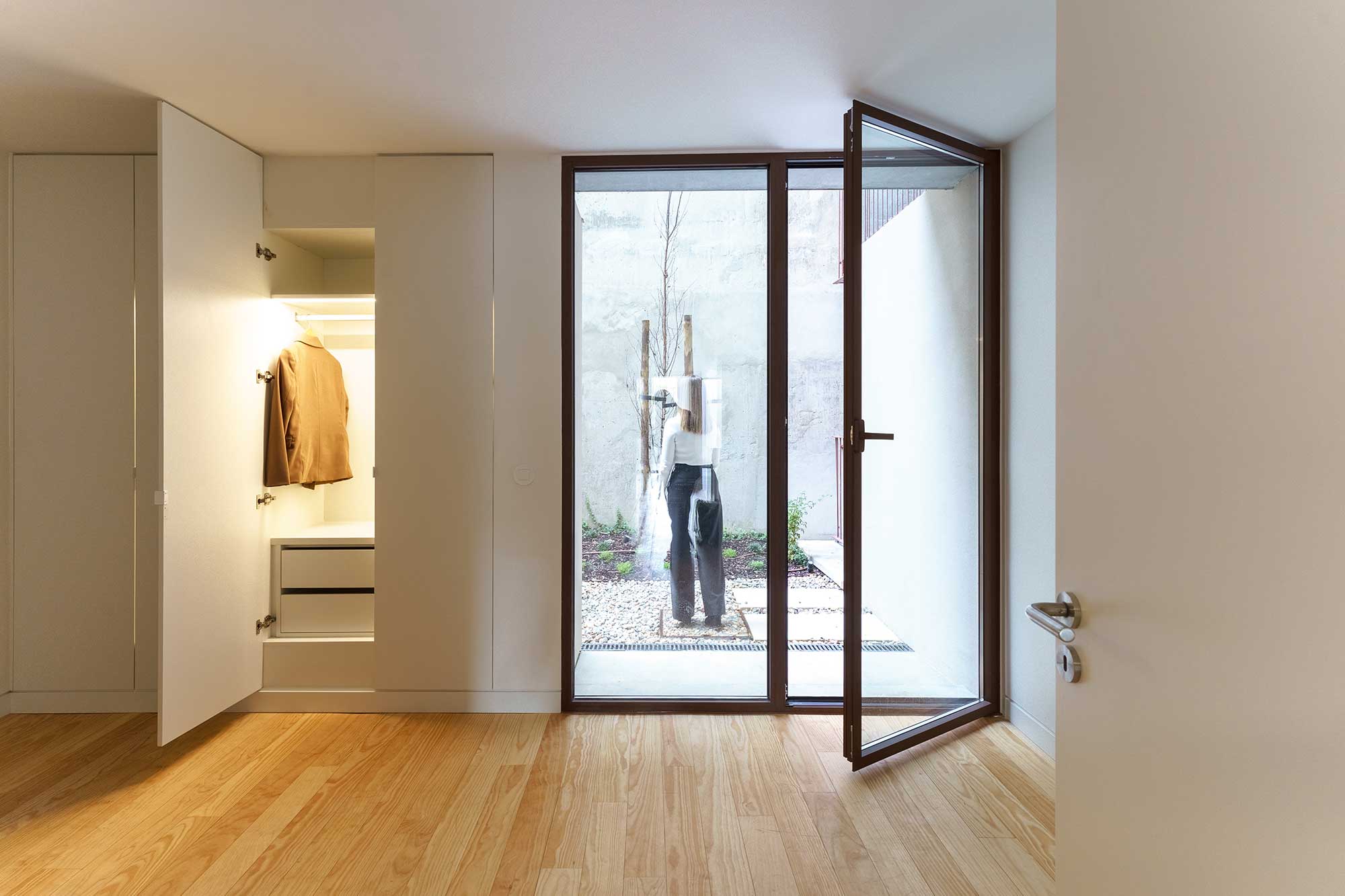
A well-designed floor plan can make a significant difference to how a space is perceived and used. Circulation, natural light, the relationship between social and private areas, the availability of storage, or the possibility of adapting a room to different functions are all elements that directly shape the experience of living in a home.
In a context where ways of living and working are changing, flexibility also matters more. A room that works as an office today may become a bedroom tomorrow. An outdoor area can extend a home's social space. Shared spaces can complement what does not need to be replicated inside each unit. The quality of a project often lies in these decisions, which do not immediately show up in a price-per-square-metre comparison but become evident in everyday life.
Quality that lasts over time
Creating value does not mean simply making a good first impression. It also means thinking about how a property will age.
The choice of materials, the quality of construction and technical solutions, ease of maintenance and the durability of finishes all affect a building's performance over the years. A decision made during the development phase can translate into greater comfort, fewer future interventions and better preservation of the property.
This long-term perspective is particularly important in real estate. Unlike many other goods, a building is designed to last for decades and to go through different economic cycles, trends and generations. The true value of a project is also measured by its ability to remain relevant once the novelty has worn off.
Sustainability as part of quality
Sustainability can no longer be treated as an additional feature of a project. It is increasingly a component of its quality.
Energy efficiency, thermal and acoustic insulation, the use of natural light, efficient water management and the appropriate choice of materials can reduce resource consumption while improving comfort for residents. There is, therefore, an increasingly direct relationship between sustainability and value. A more efficient building can mean lower running costs, greater comfort and better preparedness for future regulatory and environmental requirements.
Rather than adding isolated solutions, the challenge lies in integrating these principles from the earliest stages of a project's design.
Value also lies in the experience
Buying a home means buying square metres, but it also means choosing a particular way of living.
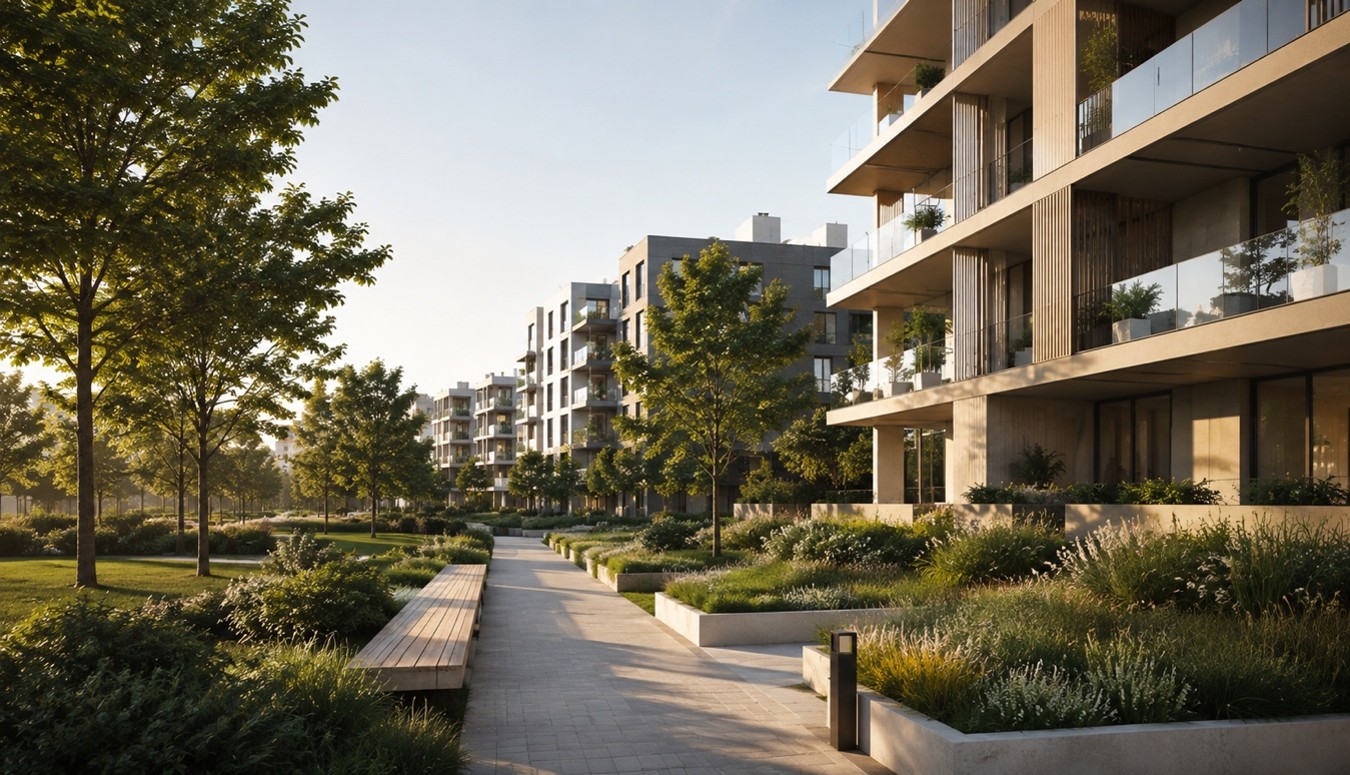
A balcony worth spending time on, a shared garden, a well-designed entrance, adequate parking, space for bicycles, or simply a more pleasant relationship between the building and the street may seem like secondary details on a spec sheet. In practice, they contribute in very concrete ways to daily life.
That is why the value of a project does not end at each apartment's front door. It extends to common areas, to the building, to its surroundings, and to how all these elements work together.
When a project manages to anticipate these needs, it stops offering just a given area in a given location. It offers a more complete living experience.
Creating value means thinking about what remains
Price per square metre will continue to be an important benchmark in the real estate market. But on its own, it cannot explain why certain projects remain attractive and relevant over time. Creating value means making decisions that are not always immediately reducible to a number: choosing better, designing better, building with quality, understanding the territory and anticipating how people's needs will evolve.
In a sector where every project leaves a lasting mark on the city, perhaps the most relevant question is not just how much each square metre is worth today, but what was done to ensure that square metre still holds value tomorrow.